

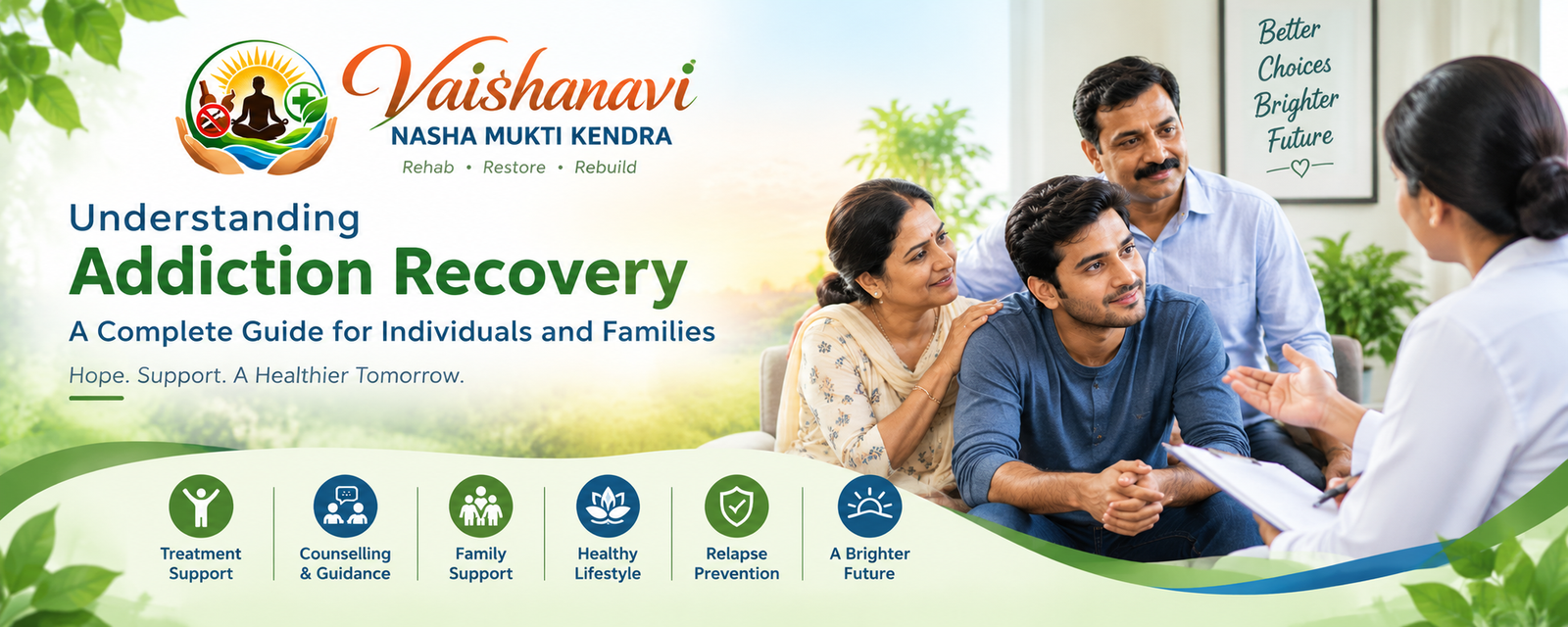
Addiction can affect a person’s health, relationships, work, studies, finances, and everyday life. It can also affect the entire family. When someone struggles with alcohol or drug addiction, family members often have many questions. They may want to know how recovery works, what treatment involves, and how they can support their loved one.
Addiction recovery is a gradual process. It can involve professional treatment, counselling, behavioural support, family involvement, healthy routines, and long-term aftercare. Every person has different recovery needs, so there is no single approach that works for everyone.
For families in Patna, understanding the recovery process can make it easier to recognise when professional help may be useful. This guide explains addiction recovery in simple terms and covers treatment, counselling, family support, relapse prevention, and life after addiction.
What Is Addiction Recovery?
Addiction recovery is the process of addressing harmful substance use and developing healthier ways to live and manage everyday challenges.
Recovery is not only about stopping alcohol or drug use. A person may also need to work on habits, emotions, relationships, daily routines, and situations that can increase the risk of returning to substance use.
According to the World Health Organization (WHO), treatment for substance use disorders should be based on evidence and should consider the individual needs of the person.
A recovery plan may include:
- Professional assessment
- Addiction counselling
- Behavioural support
- Healthy daily routines
- Family involvement
- Relapse prevention
- Aftercare and follow-up support
The goal is to help the individual build healthier habits and develop practical ways to manage life without depending on harmful substances.
What Is the Addiction Recovery Process?
The addiction recovery process can be different for every individual. Some people may need intensive support, while others may benefit from counselling and ongoing recovery care.
Here are some common steps involved in the recovery journey.
1. Recognising the Need for Help
Recovery often begins when a person recognises that substance use is affecting their life.
This may include problems with family relationships, work, studies, finances, physical health, or daily responsibilities.
Accepting that help is needed can be difficult. Family members can support this step by having a calm and respectful conversation instead of using blame or shame.
2. Assessment and Recovery Planning
Professional assessment helps understand the person’s situation.
A professional may consider the type of substance being used, duration of use, previous treatment, physical health, mental wellbeing, family environment, and other individual factors.
This information can help create a recovery plan that matches the person’s needs.
3. Withdrawal and Professional Support
Some people experience withdrawal symptoms after reducing or stopping certain substances. The severity can vary from person to person.
For some types of substance dependence, withdrawal can involve serious health risks and may require medical supervision. Families should not assume that suddenly stopping a substance is safe for everyone.
A qualified healthcare professional can help determine the appropriate level of care.
4. Counselling and Behavioural Support
Counselling can help a person understand the thoughts, emotions, habits, and situations connected with substance use.
It can also help individuals develop healthier coping strategies.
For example, instead of returning to substance use during stressful situations, a person can learn healthier ways to manage stress and seek support.
5. Building a Healthy Routine
A structured routine can support recovery.
A healthy routine may include:
- Regular sleep
- Balanced meals
- Physical activity
- Productive work or study
- Meaningful hobbies
- Family interaction
- Counselling or follow-up support
Small and realistic changes are often easier to maintain than trying to change everything at once.
6. Family and Social Support
Family support can play an important role in recovery.
A supportive family environment can encourage healthy habits and make it easier for a person to ask for help when they face difficulties.
At the same time, family members should maintain healthy boundaries. Supporting someone does not mean ignoring harmful behaviour or taking responsibility for every decision they make.
7. Aftercare and Long-Term Recovery
Recovery does not necessarily end when a person completes a treatment programme.
Aftercare may include counselling, family support, recovery groups, healthy routines, and regular follow-up.
The WHO recovery-oriented services guidance highlights the importance of continuing recovery support for people affected by substance use disorders.
How Does Addiction Counselling Help With Recovery?
Addiction counselling can help individuals understand their behaviour and identify situations that may increase the risk of substance use.
Counselling can focus on several areas.
Understanding Triggers
A trigger can be a situation, emotion, person, place, or thought that increases the urge to use a substance.
Understanding personal triggers can help a person prepare healthier responses.
Learning Healthy Coping Skills
Stress, anger, loneliness, and difficult relationships can make recovery challenging.
Counselling can help a person learn healthier ways to handle difficult emotions and situations.
Improving Family Relationships
Addiction can create misunderstandings and conflict within families.
Counselling may help individuals and family members communicate more clearly and understand how they can support recovery.
Setting Recovery Goals
Recovery goals should be realistic and practical.
These goals may include maintaining treatment, improving relationships, returning to work or studies, developing healthy habits, and staying connected with positive support systems.
How Can Families Support Someone During Addiction Recovery?
Families often want to help but may not know what to do.
The first step is to understand that recovery takes time. Constant pressure, blame, or arguments may make communication harder.
Listen Without Judging
Give the person an opportunity to speak openly.
Listening does not mean supporting harmful behaviour. It simply creates space for an honest conversation.
Encourage Professional Help
If substance use is affecting health, relationships, work, studies, or daily responsibilities, encourage the person to speak with a qualified professional.
Support a Healthy Routine
Families can encourage regular meals, proper sleep, meaningful activities, and positive social connections.
Understand Recovery Triggers
Learning about possible triggers can help family members understand why certain situations may be difficult during recovery.
Maintain Healthy Boundaries
Family support should not mean covering up harmful behaviour or ignoring serious warning signs.
Families can be caring while still maintaining clear and healthy boundaries.
Take Care of Your Own Wellbeing
Addiction can affect parents, spouses, siblings, and other family members.
Family members should also seek appropriate support when they feel overwhelmed or unable to manage the situation.
What Is Relapse and How Can It Be Prevented?
Relapse means returning to substance use after a period of reduced or stopped use.
Relapse can indicate that a person needs additional support or that their recovery plan needs to be reviewed.
It should not automatically be treated as a personal failure. Recovery can require ongoing support, and treatment plans may change as a person’s circumstances change.
Common Relapse Triggers
Some situations that may increase relapse risk include:
- High stress
- Emotional difficulties
- Old habits
- Certain social situations
- Exposure to substances
- Lack of support
- Returning to environments associated with previous substance use
Relapse Prevention Strategies
A person can work with professionals to develop practical strategies such as:
- Identifying personal triggers
- Maintaining a structured routine
- Staying connected with supportive people
- Continuing appropriate counselling
- Avoiding high-risk situations where possible
- Asking for help when warning signs appear
Early support can make it easier to address problems before they become more difficult to manage.
How Long Does Addiction Recovery Take?
There is no fixed timeline for addiction recovery.
Recovery can depend on several factors, including:
- Type of substance
- Pattern and duration of use
- Physical health
- Mental wellbeing
- Previous treatment
- Family support
- Individual recovery goals
- Access to continuing care
Some people may require intensive support at the beginning. Others may need longer-term counselling and aftercare.
The main focus should be sustainable recovery rather than completing treatment within an arbitrary timeline.
What Does Life After Addiction Treatment Look Like?
Life after addiction treatment can involve rebuilding daily habits and responsibilities.
For one person, this may mean returning to work. For another, it may mean continuing education, rebuilding family relationships, developing new hobbies, or creating a healthier social environment.
A stable routine can make everyday life easier to manage.
Healthy activities may include:
- Regular exercise
- Proper sleep
- Productive work or study
- Positive social connections
- Family time
- Hobbies
- Counselling or follow-up care
Recovery is an ongoing process. Continued support can help a person manage difficult situations and remain focused on their recovery goals.
When Should Someone Seek Professional Addiction Recovery Support?
Professional support may be useful when substance use becomes difficult to control or starts affecting important areas of life.
Some signs include:
- Repeated attempts to stop substance use without lasting success
- Problems with family relationships
- Difficulty maintaining work or studies
- Increasing dependence on alcohol or drugs
- Health-related concerns
- Changes in behaviour
- Continued substance use despite negative consequences
Families should also seek professional advice if they are unsure how to respond to a loved one’s substance use.
For people looking for addiction recovery support in Patna, Vaishnavi Nasha Mukti Kendra can be contacted to understand its available rehabilitation and recovery support services.
How Vaishnavi Nasha Mukti Kendra Supports Addiction Recovery
Every person’s recovery journey is different. A structured rehabilitation environment can provide individuals with an organised routine and access to appropriate recovery support.
Vaishnavi Nasha Mukti Kendra in Patna focuses on supporting individuals and families dealing with addiction and rehabilitation needs.
Depending on the individual’s requirements, recovery support may involve areas such as counselling, behavioural support, routine management, family involvement, and relapse-prevention guidance.
Before choosing a rehabilitation programme, families should understand the available services, treatment approach, professional support, and admission process.
You can visit the Vaishnavi Nasha Mukti Kendra website to learn more about the centre and its services.
Key Takeaways About Addiction Recovery
- Addiction recovery is a long-term process that may involve treatment, counselling, family support, and aftercare.
- Every person’s recovery journey is different, so treatment should consider individual needs.
- Counselling can help people understand triggers and develop healthier coping strategies.
- Family support matters, but families should also maintain healthy boundaries.
- Relapse does not mean recovery is impossible. It may indicate that additional or different support is needed.
- Life after treatment requires planning, healthy routines, and continued support.
- Professional guidance can help individuals and families understand suitable recovery options.
Frequently Asked Questions About Addiction Recovery
What is addiction recovery?
Addiction recovery is the process of addressing harmful substance use and developing healthier ways to manage everyday life. It may include professional treatment, counselling, family support, healthy routines, relapse prevention, and continuing aftercare.
How long does addiction recovery take?
There is no fixed timeline for addiction recovery. The duration can depend on the substance involved, the person’s health, treatment needs, support system, and individual recovery goals.
Can families help with addiction recovery?
Yes. Families can provide emotional support, encourage professional care, support healthy routines, maintain healthy boundaries, and encourage the person to continue appropriate recovery support.
What is relapse prevention?
Relapse prevention involves identifying situations that may increase the risk of returning to substance use and preparing healthier ways to respond. Counselling, support networks, structured routines, and follow-up care may be part of a relapse-prevention plan.
Is counselling important during addiction recovery?
Counselling can be an important part of recovery for many people. It may help individuals understand triggers, manage difficult emotions, improve communication, and develop healthier coping strategies.
What happens after addiction treatment?
After treatment, a person may continue with counselling, family support, recovery groups, healthy routines, and other forms of aftercare. The right approach depends on the person’s individual needs.
When should someone seek professional addiction treatment?
Professional support should be considered when substance use is difficult to control or begins affecting health, relationships, work, education, or daily responsibilities. A qualified professional can help assess the situation and explain suitable treatment options.
Final Thoughts
Addiction recovery is not about changing everything in one day. It is about taking practical steps towards a healthier and more stable life.
For individuals, recovery may involve professional treatment, counselling, healthy routines, family support, and continued aftercare. For families, it means offering support while maintaining healthy boundaries and encouraging professional help when needed.
If you or someone in your family is looking for addiction recovery support in Patna, take time to understand the available options and choose support based on the individual’s needs.
Vaishnavi Nasha Mukti Kendra can be contacted to learn more about its current rehabilitation and recovery support services.